samsung galaxy s ii marks a significant milestone in smartphone innovation, captivating users with its sleek design and powerful features. Launched in 2011, this device set the bar for future models with its remarkable AMOLED display, impressive camera capabilities, and robust performance.
With a blend of cutting-edge technology and user-centric design, the Samsung Galaxy S II offers a unique glimpse into the evolution of smartphones. Its lightweight body combined with a vibrant screen made it a favorite among tech enthusiasts, while its powerful processor and software capabilities ensured seamless multitasking and smooth navigation.
Overview of Samsung Galaxy S II
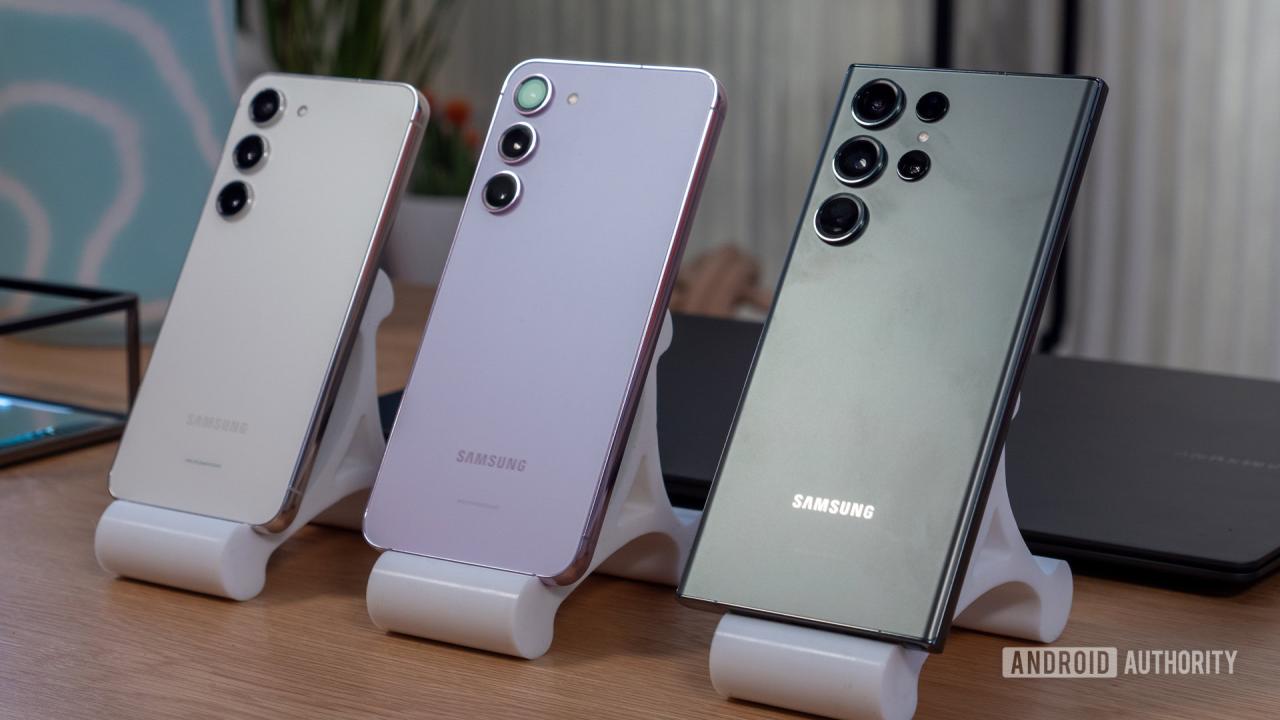
The Samsung Galaxy S II, launched in April 2011, marked a significant milestone in the evolution of smartphones. It was acclaimed for its impressive hardware, sleek design, and user-friendly interface, positioning itself as a leading device in its era. Boasting a combination of cutting-edge technology and stylish aesthetics, the Galaxy S II quickly became a favorite among tech enthusiasts and casual users alike.
The design of the Galaxy S II epitomizes Samsung’s commitment to quality and innovation. Its ultra-thin profile, measuring just 8.49 mm, is complemented by a lightweight build of 116 grams, making it comfortable to hold and carry. The device features a premium plastic casing, which, while not metal, offers durability and a smooth finish. The front is dominated by a 4.3-inch Super AMOLED Plus display, which provides vibrant colors and deep blacks, enhancing the visual experience for users.
Display Technology and Camera Specifications
The Samsung Galaxy S II utilizes Super AMOLED Plus technology for its display, which significantly improves color saturation and viewing angles compared to its predecessors. This technology allows for a resolution of 480 x 800 pixels, ensuring that images and videos appear sharp and lively. The display’s responsiveness is enhanced by its capacitive touch feature, providing a seamless user experience.
In terms of photography, the Galaxy S II is equipped with an impressive 8-megapixel rear camera, complete with features such as autofocus, LED flash, and 1080p video recording capabilities. This camera is complemented by a 2-megapixel front-facing camera, allowing for video calls and selfies. The camera interface is user-friendly, providing various modes and settings to optimize photography, including settings for night mode and panorama shots.
Overall, the Samsung Galaxy S II’s display and camera specifications reflect the brand’s dedication to offering both performance and aesthetic appeal. The technological advancements in its display and imaging capabilities have set a standard that many smartphones have aspired to achieve in subsequent years.
Performance and Specifications
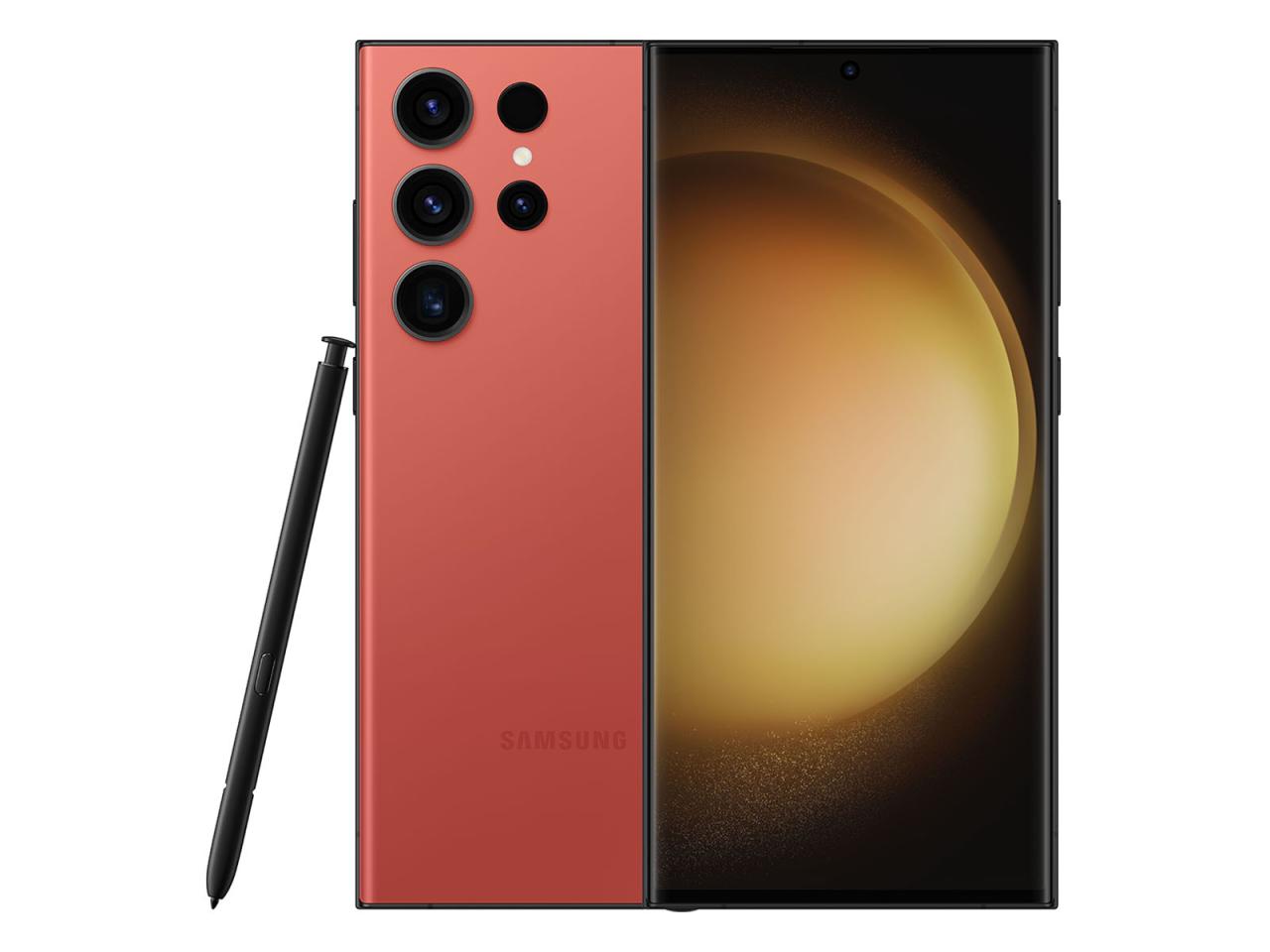
The Samsung Galaxy S II stands out for its impressive performance and specifications, making it a formidable competitor in the smartphone market during its release. With a focus on both hardware and software, the device offers a seamless user experience that has been widely recognized by users and critics alike.
The Galaxy S II is powered by a dual-core Exynos processor clocked at 1.2 GHz, accompanied by 1 GB of RAM. This combination enables smooth multitasking and robust performance across various applications. The Exynos processor, specifically designed by Samsung, was a significant leap forward at the time, optimizing power consumption and processing speed. The device also supports up to 32 GB of internal storage, expandable via microSD, allowing users ample space for apps, media, and files.
Software Capabilities, Samsung galaxy s ii
The Galaxy S II originally launched with Android 2.3 Gingerbread, which was a prominent version at the time, featuring various enhancements over its predecessors. Samsung’s TouchWiz user interface adds another layer of usability, offering widgets, customizable homescreens, and a user-friendly experience. The device saw subsequent updates, allowing users to upgrade to Android 4.1 Jelly Bean, further improving performance and adding features such as Project Butter for smoother transitions and notifications.
The performance metrics of the Galaxy S II can be compared with other smartphones released in the same period, such as the HTC Sensation and the Motorola Droid Bionic. The dual-core processor of the Galaxy S II provided it with a competitive edge, allowing for faster load times and smoother graphics performance. Benchmarks indicated that the Galaxy S II often outperformed its rivals, with notable scores in both CPU and GPU tests, establishing it as one of the leading devices in the early 2011 smartphone market.
“With its powerful hardware and optimized software, the Samsung Galaxy S II redefined user expectations for smartphone performance.”
User Experience and Feedback
The Samsung Galaxy S II has garnered significant attention since its release, with many users sharing their experiences and insights regarding its performance, usability, and overall satisfaction. Feedback from various sources highlights both the strengths and weaknesses of the device, providing potential buyers with a comprehensive outlook on what to expect.
One of the most notable aspects of user experience with the Galaxy S II is its impressive display and user interface. Many users have praised the Super AMOLED Plus screen for its vibrant colors and sharp resolution, making media consumption a delight. The TouchWiz interface, while sometimes criticized for being cluttered, has remained functional and intuitive for the majority of users, allowing for easy navigation through apps and settings.
User Reviews and Common Issues
User reviews of the Galaxy S II often reflect a range of experiences, from enthusiastic endorsements to some common issues that have been reported. The following points summarize the general consensus among users:
- Performance: Users frequently express satisfaction with the device’s speed and responsiveness, particularly for multitasking and gaming.
- Camera Quality: Many users appreciate the 8 MP camera’s capabilities, reporting high-quality photos and videos, although low-light performance can be inconsistent.
- Battery Life: While the battery life is generally viewed as acceptable, some users have experienced rapid drainage, particularly with intensive app usage.
- Heating Issues: A segment of users reported that the device sometimes overheats during heavy tasks, such as gaming or video streaming, which can be detrimental to the user experience.
- Software Updates: Some users have expressed frustration regarding the frequency and availability of software updates, impacting the overall longevity of the device.
To address the common issues faced by users, potential solutions have been suggested. For instance, employing battery-saving modes, reducing screen brightness, and closing unused applications can help to improve battery performance. In cases of overheating, it is advisable to avoid prolonged use of intensive applications and to ensure that the device has adequate ventilation.
Battery Life and Daily Usability
The battery life of the Samsung Galaxy S II is a crucial aspect for many users, influencing their overall satisfaction and usability in day-to-day scenarios. The device is equipped with a 1650 mAh battery that performs reasonably well under standard conditions. However, individual experiences often vary based on usage patterns.
Many users report that with moderate use, including calls, browsing, and social media, the battery can last a full day. However, heavy users engaging in gaming, video streaming, or extensive photo capturing may find themselves needing to recharge before the day ends.
User experiences highlighted the importance of understanding battery consumption patterns. Instances where users attempt to maximize battery life include the following strategies:
- Optimizing App Usage: Users have found that managing background apps and disabling non-essential notifications can extend battery life significantly.
- Utilizing Power-Saving Modes: The built-in power-saving mode has been helpful for users needing to stretch their battery life during crucial moments.
- Regular Software Updates: Installing the latest software updates can sometimes improve battery efficiency, as manufacturers often release optimizations and fixes.
Overall, while the Samsung Galaxy S II provides a solid user experience, the aforementioned feedback and common issues emphasize the importance of user awareness regarding battery management and device care to ensure optimal performance in daily use.
Legacy and Impact on the Smartphone Market
The Samsung Galaxy S II stands as a pivotal milestone in the evolution of smartphones, shaping the trajectory of mobile technology and consumer expectations. Released in 2011, it set new standards in design, performance, and user experience, which not only defined Samsung’s future endeavors but also influenced the industry at large.
The significance of the Galaxy S II lies in its powerful combination of hardware and software, offering features that were revolutionary at the time. It was one of the first smartphones to incorporate a dual-core processor, which enhanced performance significantly, allowing for smoother multitasking and application usage. The device also showcased a stunning Super AMOLED display, which provided vivid colors and deep contrasts, setting a benchmark for future smartphone screens. These innovations contributed to a rapid evolution in smartphone capabilities and set a new standard in the market.
Influence on Subsequent Models and Competitors
The Galaxy S II’s success and performance had a direct influence on both Samsung’s subsequent models and the broader competitive landscape. Following its release, Samsung built on its features and user experience to create subsequent models that pushed the envelope even further.
Subsequent devices, such as the Galaxy S III and S4, adopted and refined the design language and performance enhancements introduced with the S II. The incorporation of features like improved camera technology, better battery life, and enhanced user interfaces became standard practice for Samsung.
Additionally, competitors took notice of the trends initiated by the Galaxy S II. Many brands began adopting similar hardware capabilities and design philosophies. The smartphone market saw a surge in dual-core processors and high-definition displays across various brands in an effort to keep pace with Samsung’s innovation.
The market performance of the Galaxy S II further underscores its legacy. With over 28 million units sold worldwide, it became one of the most successful smartphones of its time. Its popularity was reflected in numerous awards and recognitions, including being named the best smartphone at various tech award ceremonies.
This impressive market reception elevated Samsung’s position in the smartphone industry, propelling it ahead of competitors like HTC and LG. The Galaxy S II not only cemented Samsung as a leader in the smartphone market but also influenced the design and functional characteristics of mobile devices for years to come.
FAQ Insights: Samsung Galaxy S Ii
What is the release date of the samsung galaxy s ii?
The samsung galaxy s ii was released in April 2011.
What are the key features of the samsung galaxy s ii?
Key features include a 4.3-inch Super AMOLED display, 8-megapixel camera, and a dual-core processor.
How much RAM does the samsung galaxy s ii have?
The device is equipped with 1GB of RAM.
What operating system does the samsung galaxy s ii run?
It originally shipped with Android 2.3 Gingerbread, upgradeable to later versions.
Is the samsung galaxy s ii still relevant today?
While it may not compete with modern devices, its historical significance and design influence are still appreciated.
The Rolex 1675 is a classic timepiece that has captured the hearts of watch enthusiasts worldwide. Known for its iconic design and robust features, this model exemplifies Rolex’s commitment to craftsmanship and precision. Its vintage appeal makes it a sought-after collector’s item, blending history with style.
In 2022, the Rolex Batman 2022 made waves in the watch community with its bold aesthetics and innovative technology. This model, characterized by its striking two-tone bezel, offers both elegance and functionality, making it a perfect choice for modern watch lovers seeking a blend of luxury and practicality.