Galaxy Note 7 stands as a significant chapter in smartphone history, marked by both groundbreaking innovation and harrowing challenges. Released with high expectations, it boasted features that captivated tech enthusiasts and everyday users alike, setting the stage for what was anticipated to be a successful launch. However, what began as a celebration soon turned into a cautionary tale, reflecting the complexities of modern technology.
With its introduction, Galaxy Note 7 offered an impressive array of specifications, including a stunning display and advanced functionality that distinguished it from its predecessors. Initial consumer reviews praised its sleek design and powerful performance, but the excitement quickly turned to concern as safety issues began surfacing, resulting in recalls that would forever alter its legacy.
History of Galaxy Note 7
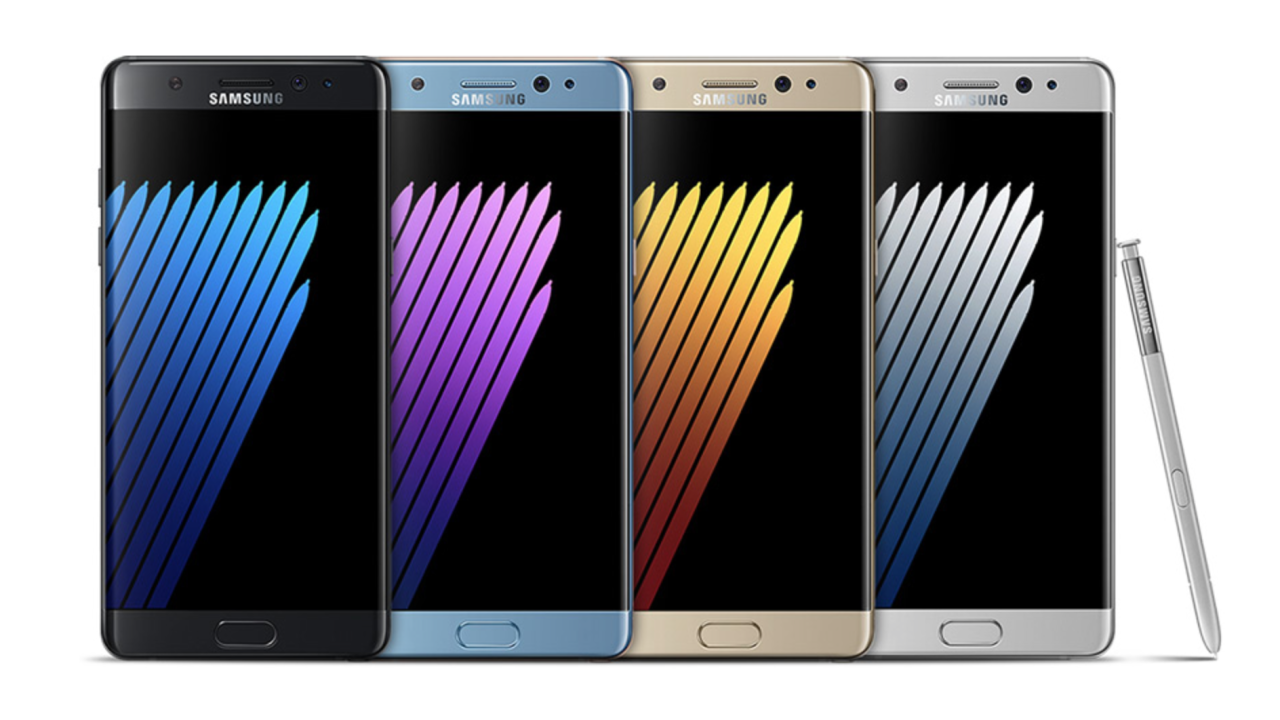
The Samsung Galaxy Note 7 was a significant player in the smartphone market upon its release in August 2016. This device was anticipated to elevate the Note series, incorporating advanced features and innovative technology. However, its journey was marred by controversy, shaping its legacy in the tech world.
The timeline leading to the Galaxy Note 7’s launch began with the immense success of its predecessor, the Galaxy Note 5, which set high expectations for the new model. Samsung unveiled the Galaxy Note 7 on August 2, 2016, during a dedicated event in New York City. The device was marketed with features such as a stunning 5.7-inch Quad HD Super AMOLED display, an upgraded S Pen, and IP68 water and dust resistance. Additionally, the Note 7 boasted a dual-edge curved screen similar to the Galaxy S7 Edge, enhanced security with iris scanning technology, and impressive camera capabilities, including a 12MP rear camera with dual pixel autofocus.
Consumer reception was initially enthusiastic, with reviews praising the device’s design, performance, and features. Major tech publications noted its premium feel and high-quality display. However, this initial excitement soon turned into concern as reports of battery issues began to surface, leading to a significant impact on the device’s reputation and sales.
Timeline of Events Leading to the Release
The rollout of the Galaxy Note 7 unfolded over several crucial phases that influenced its reception and legacy. These events reflect Samsung’s ambitious goals and the ensuing challenges faced by the company.
- Pre-launch Hype: Prior to the official unveiling, leaks and rumors sparked excitement among consumers, with many anticipating the introduction of innovative features.
- Launch Event: The Galaxy Note 7 was launched on August 2, 2016, showcasing its cutting-edge design and technology, captivating both media and consumers alike.
- Initial Sales: Following its release, the device received strong pre-orders, indicating high consumer demand and enthusiasm.
- Battery Issues Surface: Within weeks of the launch, reports of devices overheating and catching fire began to emerge, raising red flags and prompting investigations.
- Recall Announcement: On September 2, 2016, Samsung announced a global recall of the Galaxy Note 7, urging customers to return their devices for replacement due to safety concerns.
- Final Withdrawal: By October 2016, Samsung officially discontinued the Galaxy Note 7 after attempts to resolve the battery issues failed, marking a previously unparalleled setback for the company.
Key Features Marketed During Launch
At the time of its launch, the Galaxy Note 7 was marketed with several key features that set it apart from competitors and showcased Samsung’s technological advancements.
- Display: The 5.7-inch Quad HD Super AMOLED display provided vibrant colors and deep contrasts, enhancing the visual experience for users.
- S Pen Enhancements: The upgraded S Pen featured improved pressure sensitivity, allowing for more natural writing and drawing experiences.
- Iris Scanner: This cutting-edge biometric feature allowed for secure unlocking of the device and authentication for various applications.
- Camera Technology: The rear camera with dual pixel technology enabled improved low-light performance and faster autofocus, making it an appealing choice for photography enthusiasts.
- Water and Dust Resistance: The IP68 rating ensured that the device was resistant to dust and capable of withstanding immersion in water, adding to its durability.
Initial Consumer Reception and Reviews
The Galaxy Note 7 garnered significant attention upon its release, and the early reception was largely positive, with many praising its design and functionality.
- Design and Build Quality: Reviewers highlighted the premium materials and sleek design of the device, noting that it felt luxurious in the hand.
- Performance: The Note 7’s performance was lauded for its speed and responsiveness, powered by a robust processor and ample RAM.
- Camera Performance: Users reported satisfaction with the camera quality, particularly in various lighting conditions, enhancing its appeal among photo enthusiasts.
- Feature Set: The innovative features like the S Pen and iris scanner received commendations for their practicality and ease of use.
- Overall Impression: Despite the issues that later arose, the initial reception positioned the Note 7 as a potential flagship device for Samsung.
Technical Specifications and Features
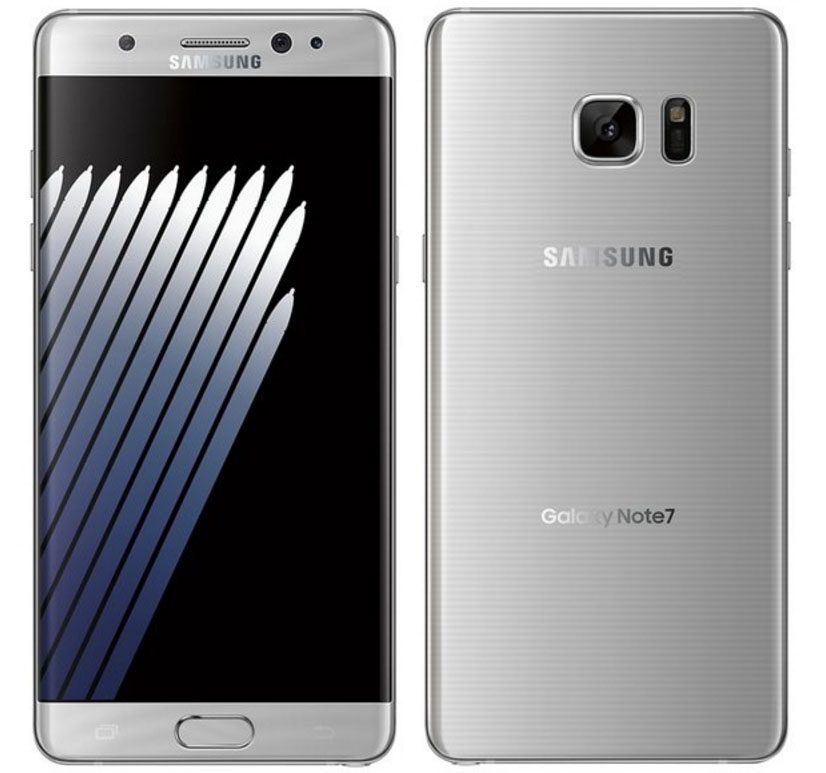
The Galaxy Note 7 marked a significant evolution in Samsung’s flagship smartphone lineup, representing a convergence of cutting-edge technology and user-centric design. Launched in August 2016, this device sought to elevate the Note series, combining high-end specifications with innovative features that catered to both productivity and entertainment needs.
The technical specifications of the Galaxy Note 7 were impressive for their time, showcasing a powerful performance coupled with an array of features designed to enhance the user experience. Key specifications included:
Core Specifications
The following table Artikels the critical technical specifications of the Galaxy Note 7, providing a clear view of its capabilities:
| Specification | Details |
|---|---|
| Display | 5.7 inches Super AMOLED, 1440 x 2560 pixels |
| Processor | Exynos 8890 Octa or Qualcomm Snapdragon 820 (varies by region) |
| RAM | 4 GB |
| Storage Options | 64 GB (expandable via microSD) |
| Rear Camera | 12 MP, f/1.7, dual pixel autofocus, OIS |
| Front Camera | 5 MP, f/1.7 |
| Battery | 3500 mAh, fast charging and wireless charging support |
| Operating System | Android 6.0.1 Marshmallow (upgradable) |
The Galaxy Note 7 was also equipped with an IP68 rating, signifying its dust and water resistance, and featured the S Pen stylus that added a layer of versatility for note-taking and drawing.
Unique Features
The Galaxy Note 7 introduced several unique features that distinguished it from its predecessors and competitors. Among these were:
– Iris Scanner: This biometric security feature provided users with an additional layer of protection, allowing them to unlock their devices using their irises, which was a first for Samsung devices.
– S Pen Enhancements: The S Pen received upgrades, including improved pressure sensitivity and an enhanced selection of features, such as Screen Off Memo, allowing users to jot down notes without even unlocking the phone.
– HDR Video: Support for HDR video playback elevated the device’s media consumption capabilities, providing richer colors and better contrast for an enhanced viewing experience.
– Always-On Display: This feature allowed users to view important notifications and information at a glance without fully waking the device, contributing to convenience and battery efficiency.
Comparison with Competitors
During its release, the Galaxy Note 7 faced stiff competition from other flagship devices. A comparative analysis of its specifications with peers such as the iPhone 7 Plus and Google Pixel XL reveals some noteworthy distinctions:
| Feature | Galaxy Note 7 | iPhone 7 Plus | Google Pixel XL |
|———————|————————|————————|———————–|
| Display | 5.7″ Super AMOLED | 5.5″ Retina HD LCD | 5.5″ AMOLED |
| Processor | Exynos 8890 / Snapdragon 820 | A10 Fusion | Snapdragon 821 |
| RAM | 4 GB | 3 GB | 4 GB |
| Rear Camera | 12 MP | Dual 12 MP | 12.3 MP |
| Battery Capacity | 3500 mAh | 2900 mAh | 3450 mAh |
| Water Resistance | IP68 | IP67 | IP53 |
The Galaxy Note 7’s combination of a larger display, S Pen functionality, and superior battery capacity positioned it as a versatile device for productivity and multimedia. The integration of innovative features, such as the iris scanner and enhancements to the S Pen, highlighted Samsung’s commitment to pushing the boundaries of smartphone technology.
Safety Issues and Recalls
The Samsung Galaxy Note 7 was highly anticipated prior to its launch, but safety concerns quickly overshadowed its innovative features. Reports of battery malfunctions leading to overheating and fires triggered a significant crisis for Samsung, reshaping discussions around mobile safety standards and consumer trust.
The initial safety concerns were primarily linked to the lithium-ion batteries used in the Galaxy Note 7. A manufacturing defect resulted in some batteries having a higher risk of short-circuiting, which could cause overheating, smoking, and in severe cases, fires. These incidents prompted immediate investigations and led to a swift response from Samsung, which acknowledged the issue publicly. The company undertook a comprehensive recall of the affected devices, making it one of the largest tech recalls in history.
Recall Procedures and Refunds
The recall process initiated by Samsung was extensive and multifaceted, aimed at addressing consumer safety and restoring trust in the brand. The steps taken included:
- Voluntary Recall Announcement: Samsung officially announced a global recall of the Galaxy Note 7, advising customers to stop using their devices and return them for a refund or exchange.
- Exchange Program: Customers were offered the option to exchange their Galaxy Note 7 for a new device, either a different model or a replacement with a supposedly safe battery.
- Refund Options: For those who preferred not to exchange, Samsung provided full refunds for the devices, regardless of purchase location.
- Consumer Communication: Samsung engaged in a robust communication campaign, keeping consumers informed through advertisements, press releases, and direct notifications. This was crucial in guiding users on how to return their devices safely.
- Return Logistics: The company set up efficient return logistics to facilitate the process. Consumers were provided with easy-to-follow instructions and pre-paid shipping options to return their devices.
The impact of these recalls on Samsung’s reputation was profound. Initially seen as an industry leader in innovation, Samsung faced significant backlash as consumers voiced their concerns about safety and reliability. The recalls not only affected consumer trust but also had wider implications for the technology industry, serving as a stark reminder of the possible repercussions of overlooking safety in product design and production.
“There is no greater priority than the safety of our customers.” – Samsung Statement
The fallout from the Galaxy Note 7 incident led to increased scrutiny of battery safety across the entire smartphone industry. Manufacturers began implementing stricter testing protocols and safety standards to prevent similar occurrences, reflecting a shift in industry practices influenced by the Galaxy Note 7 crisis.
Legacy and Impact on Future Devices
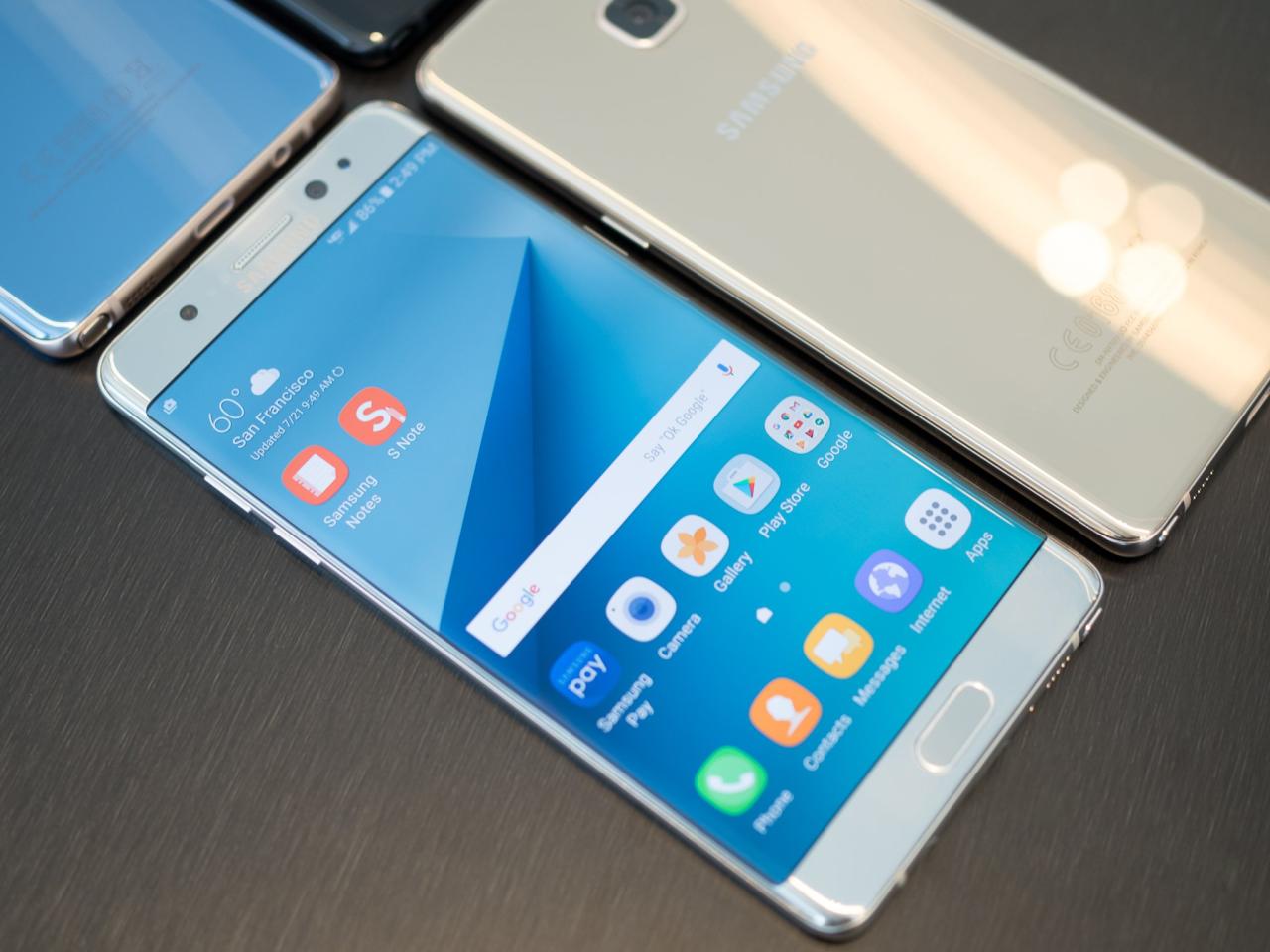
The Galaxy Note 7, despite its short-lived presence in the smartphone market, left an indelible mark on the industry. Its controversial issues surrounding safety and recalls not only influenced the Galaxy Note series but also reshaped manufacturing standards across the smartphone landscape. The ramifications of the Note 7 incident have reverberated through safety protocols, design considerations, and consumer expectations, leading to a paradigm shift in how devices are produced and evaluated.
Long-term Effects on Smartphone Manufacturing Standards
The failure of the Galaxy Note 7 catalyzed a reevaluation of manufacturing standards within the smartphone industry. Manufacturers have since prioritized quality assurance and testing protocols to mitigate risks associated with battery malfunctions. This incident highlighted the necessity for rigorous testing phases, especially regarding battery safety and thermal management.
To illustrate the changes in manufacturing standards, consider the following advancements that have emerged post-Note 7:
- Enhanced Battery Testing: Companies have adopted more stringent standards for battery testing, including real-world simulations that assess performance under various conditions, such as extreme temperatures and mechanical shocks.
- Improved Supply Chain Transparency: Manufacturers now require suppliers to adhere to strict safety and quality protocols, ensuring that components meet enhanced safety standards before they are integrated into devices.
- Implementation of Fail-Safe Mechanisms: Many brands have introduced safety measures that prevent overcharging and overheating, such as advanced battery management systems that detect anomalies and shut down the device if necessary.
Shaping Safety Regulations in Mobile Technology, Galaxy note 7
The Galaxy Note 7 incident prompted regulatory bodies and industry organizations to rethink safety regulations concerning mobile device production. In response, a series of guidelines and standards were developed to ensure higher safety benchmarks across the industry. Key regulatory changes include:
- Battery Safety Standards: Agencies like the International Electrotechnical Commission (IEC) updated their standards for lithium-ion batteries, mandating comprehensive testing for thermal runaway scenarios.
- Global Recall Protocols: The Note 7 recalls established precedent for standardized global recall procedures, ensuring that manufacturers can efficiently address safety concerns on an international scale.
- Consumer Awareness Initiatives: Collaborations among manufacturers, regulatory bodies, and consumer advocacy groups have fostered awareness programs that educate users on safe device usage and battery care.
Evolution of the Galaxy Note Series Post-Galaxy Note 7
Following the Galaxy Note 7’s debacle, Samsung took significant steps to rebuild consumer trust and salvage the Note series. The subsequent Galaxy Note 8, released in 2017, featured a meticulously scrutinized design and several enhanced safety features, showcasing Samsung’s commitment to learning from past mistakes. The introduction of a new battery design and an 8-point battery safety check exemplified the brand’s dedication to excellence and safety.
The influence of the Note 7 on the Galaxy Note series can be summarized as follows:
- Reinforced Brand Image: Samsung’s emphasis on safety and customer satisfaction in the Note 8 helped restore the brand’s reputation and showcased resilience in the face of adversity.
- Innovative Features: The Note 8 introduced dual-camera systems, improved S Pen functionality, and advancements in software features, which have since become standard expectations in flagship devices.
- Setting Industry Trends: The improvements made in the Galaxy Note series influenced other manufacturers to enhance their safety measures and product innovations, leading to a more conscientious market overall.
The legacy of the Galaxy Note 7 continues to shape the smartphone industry, promoting a culture of safety and quality that resonates through current and future innovations.
FAQ Summary: Galaxy Note 7
What were the main features of Galaxy Note 7?
Galaxy Note 7 featured a 5.7-inch QHD display, S Pen functionality, water resistance, and a dual-edge design, among others.
Why was the Galaxy Note 7 recalled?
The Galaxy Note 7 was recalled due to battery malfunctions that led to overheating and fires.
How did the Galaxy Note 7 affect Samsung’s brand?
The incident significantly impacted Samsung’s reputation, leading to increased scrutiny and a focus on safety in future products.
What lessons were learned from the Galaxy Note 7 incident?
The situation highlighted the importance of rigorous testing and safety protocols in smartphone manufacturing.
Did Galaxy Note 7 influence future smartphone designs?
Yes, the Galaxy Note 7’s legacy prompted stricter safety regulations and innovations in battery technology across the industry.
The Rolex Master 2 stands out as a symbol of luxury and precision. Known for its impeccable craftsmanship, this timepiece is designed for those who appreciate both elegance and functionality. With its robust features, the Rolex Master 2 is perfect for adventurers and connoisseurs alike, making it a coveted addition to any watch collection.
For those seeking a reliable smartphone, the Samsung Galaxy 10 Lite offers an impressive balance of performance and affordability. With its vibrant display and powerful camera, this device caters to both casual users and tech enthusiasts. It’s an ideal choice for anyone looking to upgrade their mobile experience without breaking the bank.