samsung galaxy s stands as a testament to innovation in the smartphone realm, captivating users with its continuous evolution since its debut. The series has not only redefined user expectations but has also set benchmarks for technology in mobile devices. From the first Galaxy S to the latest models, each iteration showcases groundbreaking features that enhance user experience, making it a leader in the competitive smartphone market.
Throughout its history, the Samsung Galaxy S series has introduced an array of advancements, particularly in display quality, camera technology, and processing power. This overview will delve into the key features, performance metrics, and market positioning of the Galaxy S models, providing a comprehensive understanding of what makes them stand out in a saturated market.
Overview of Samsung Galaxy S Series
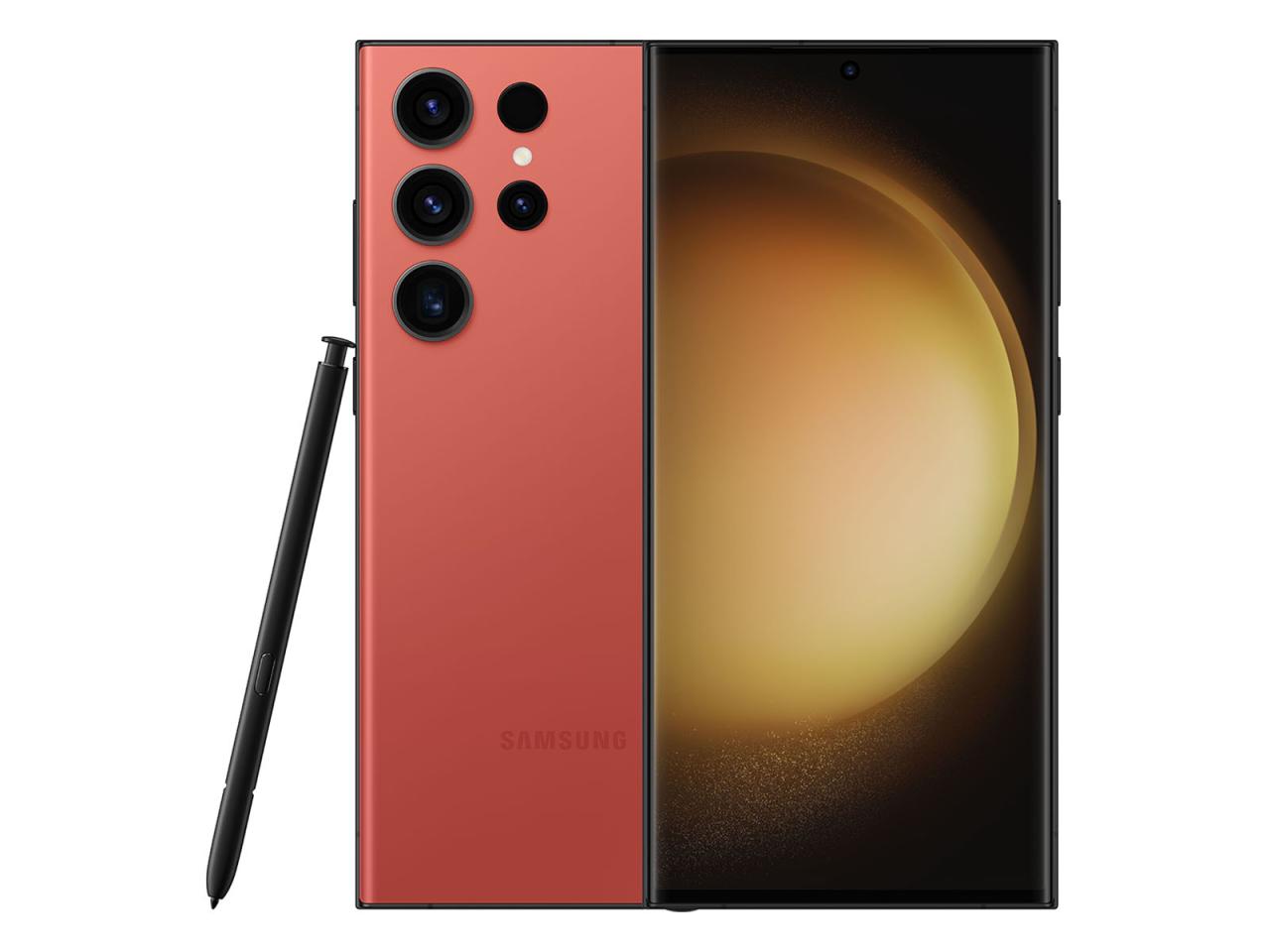
The Samsung Galaxy S series has become a cornerstone in the landscape of high-end smartphones since its introduction in 2010. This line of devices has continuously set benchmarks in design, performance, and innovation, reflecting the rapid advancements in mobile technology. As the flagship series of Samsung, it has played a pivotal role in shaping consumer expectations and industry standards.
The Galaxy S series has evolved significantly over the years, showcasing a myriad of features that have transformed the smartphone experience. From the introduction of vibrant Super AMOLED displays to the integration of advanced camera systems and AI capabilities, each iteration has built on its predecessor’s strengths while addressing user demands for improved functionality and style. Notable advancements include the transition from physical buttons to all-screen designs, enhancements in processing power with each generation, and the incorporation of cutting-edge technologies like 5G connectivity and foldable screens.
History of the Samsung Galaxy S Series
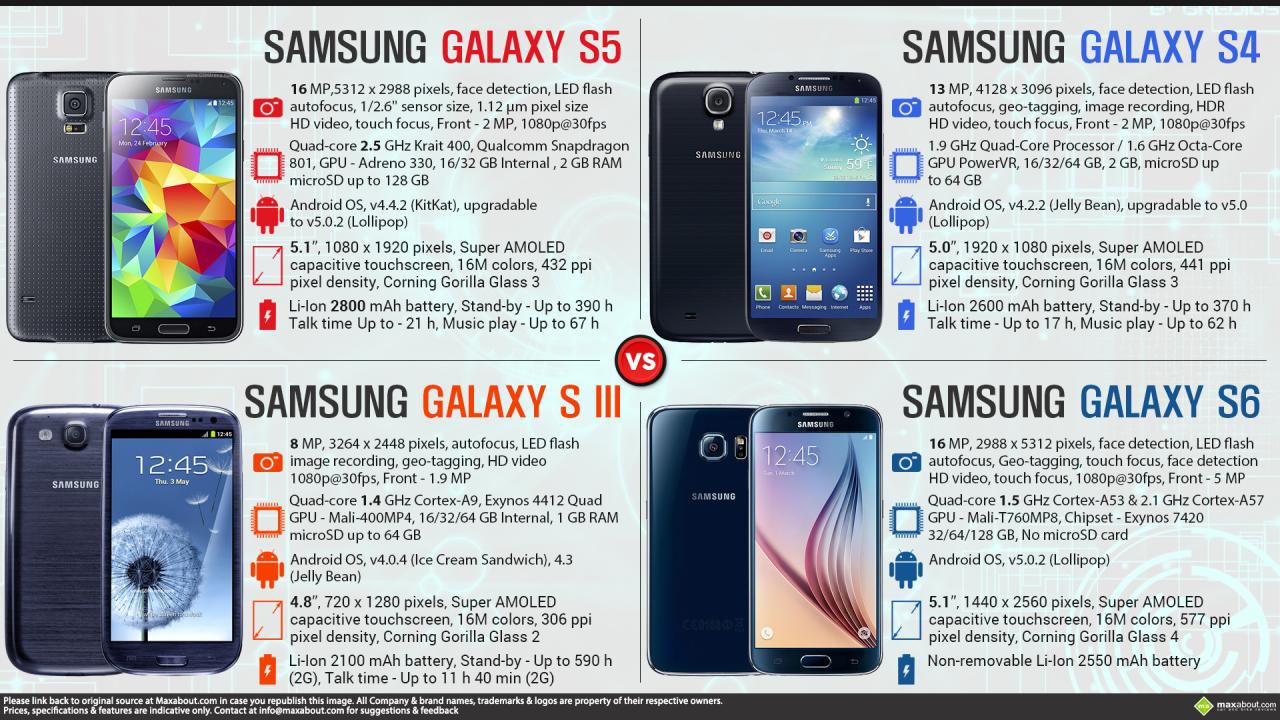
The inception of the Samsung Galaxy S series began with the launch of the Galaxy S in June 2010. This model was a response to the growing demand for smartphones that could combine high performance with an intuitive user interface. The device featured a 4-inch Super AMOLED display and was powered by a 1 GHz processor, setting a precedent for future models.
With each new release, the Galaxy S series introduced features that not only advanced its technology but also redefined user experience. The Galaxy S II, launched in 2011, was noted for its lightweight design and enhanced camera capabilities, making it a favorite among users. The S III followed in 2012, presenting a more organic design and smart features like Smart Stay, which kept the screen on when users were looking at it.
As the series progressed, major milestones included the introduction of the Galaxy S6 in 2015, which marked a shift towards premium materials with its glass and metal design. The S8 and S9 iterations further advanced the series with Infinity Displays and dual-aperture cameras, emphasizing Samsung’s focus on photography and display technology.
Comparison with Previous Samsung Smartphone Models, Samsung galaxy s
When compared to earlier Samsung smartphone models, the Galaxy S series stands out through its commitment to high-end specifications and innovative features that set it apart from the Galaxy A and Galaxy J series, which targeted mid-range and budget-conscious users. The S series has consistently featured:
- High-Resolution Displays: Galaxy S devices were among the first to introduce AMOLED technology, providing vibrant colors and deeper contrasts compared to earlier LCD screens used in models like the Galaxy Ace.
- Camera Innovations: The S series has pioneered many camera technologies, such as optical image stabilization and multi-lens setups, differentiating them from earlier models that often featured basic camera systems.
- Performance Enhancements: With each new S series release, Samsung incorporated the latest processors and RAM configurations, ensuring that the S series outperformed older models like the Galaxy S or Galaxy Note series in processing speed and multitasking capabilities.
The Galaxy S series has also embraced software advancements with features like Samsung DeX, allowing users to expand their mobile experience to a desktop-like environment, showcasing the series’ adaptability and forward-thinking approach.
Overall, the Samsung Galaxy S series not only highlights the evolution of mobile technology but also exemplifies how consumer needs and industry trends have influenced smartphone development over the years.
Key Features of Samsung Galaxy S Models
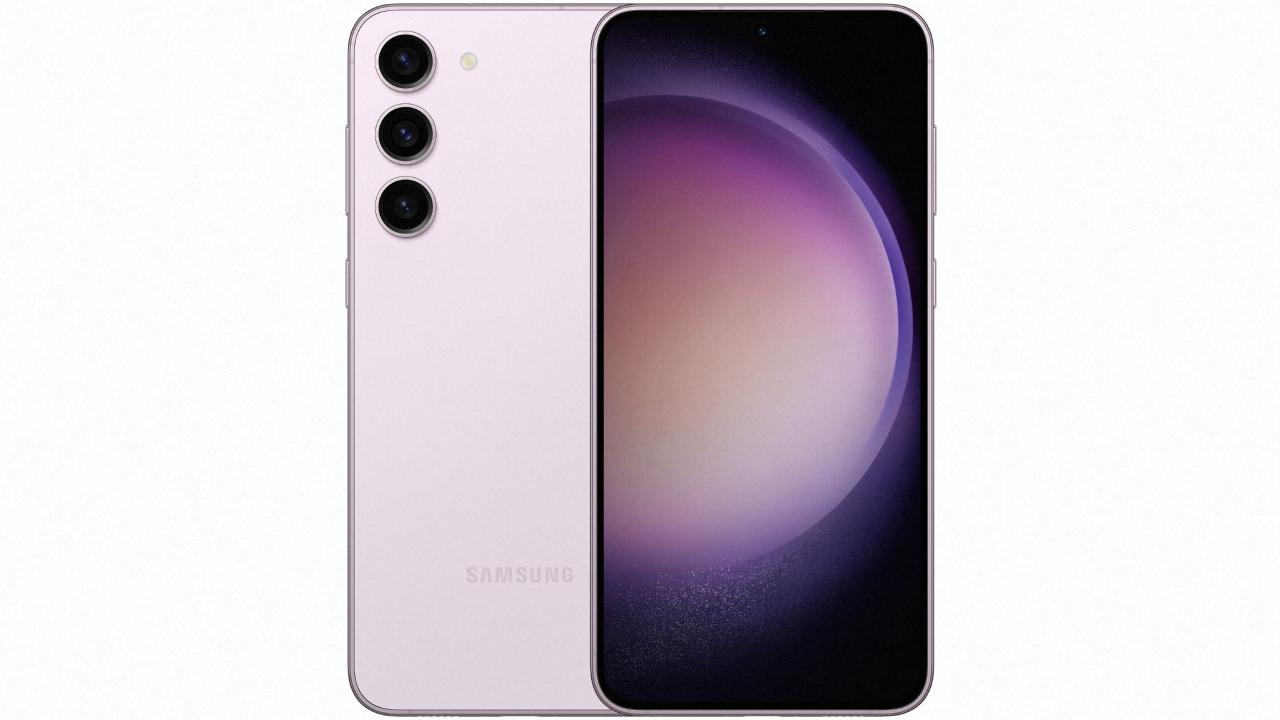
The Samsung Galaxy S series has consistently set benchmarks for smartphone innovation and performance. Known for their premium build quality, cutting-edge technology, and user-friendly features, these devices cater to a wide range of consumers. The latest models boast advancements in various aspects, particularly in camera technology, display quality, and performance capabilities.
In the latest Samsung Galaxy S models, features such as enhanced processor speeds, superior display resolutions, and advanced camera functionalities distinguish them from their predecessors. Each iteration brings improvements that appeal to both casual users and tech enthusiasts, making the Galaxy S series a leader in the smartphone market.
Standout Features of the Latest Samsung Galaxy S Model
Among the standout features of the latest Samsung Galaxy S model are:
- Dynamic AMOLED Display: The latest models feature a vibrant Dynamic AMOLED display that offers stunning color accuracy and deep contrasts, enhancing the viewing experience for multimedia content.
- Processor Performance: Powered by the latest Qualcomm Snapdragon or Exynos processors, these devices ensure lightning-fast performance and efficient multitasking capabilities.
- 5G Connectivity: With the integration of 5G technology, users experience faster download and streaming speeds, making the most of high-bandwidth applications.
- Enhanced Battery Life: Improved battery technology coupled with intelligent power management extends usage time, ensuring users stay connected longer without frequent recharges.
- IP68 Rating: The water and dust resistance feature provides additional durability, making the device suitable for various environments and conditions.
Comprehensive Specifications and Capabilities
The Galaxy S series is known for its diverse range of specifications across different models. Below is a comparison of key specifications that highlight the capabilities of various models:
| Model | Display | Processor | Camera (Rear) | Battery | Storage Options |
|---|---|---|---|---|---|
| Galaxy S21 | 6.2″ FHD+ Dynamic AMOLED 2X | Exynos 2100 / Snapdragon 888 | 12MP + 64MP + 12MP | 4000 mAh | 128GB / 256GB |
| Galaxy S21 Ultra | 6.8″ QHD+ Dynamic AMOLED 2X | Exynos 2100 / Snapdragon 888 | 108MP + 10MP + 10MP + 12MP | 5000 mAh | 256GB / 512GB |
| Galaxy S20 FE | 6.5″ FHD+ Super AMOLED | Exynos 990 / Snapdragon 865 | 12MP + 8MP + 12MP | 4500 mAh | 128GB / 256GB |
Camera Technology Differences Across Galaxy S Models
The camera technology of the Samsung Galaxy S series has evolved significantly, with each model showcasing distinctive features that cater to varying photography needs.
The recent models, specifically the Galaxy S21 Ultra, represent the pinnacle of Samsung’s camera technology. Key advancements include:
- 108MP Sensor: The S21 Ultra features a high-resolution primary camera that captures intricate details, making it ideal for professional photography.
- Periscope Telephoto Lens: With 10x optical zoom capabilities, this lens allows for capturing distant subjects with clarity.
- Multi-Camera Setup: Recent models utilize multiple lenses for versatility in photography, accommodating wide-angle, standard, and macro shots seamlessly.
- Night Mode Enhancement: Improved low-light capabilities enable stunning photos even in challenging lighting conditions, resulting in brighter and more detailed images.
- Video Recording Features: The ability to record in 8K resolution sets these models apart, offering high-quality video capture that appeals to content creators.
User Experience and Performance
The Samsung Galaxy S series has continuously set benchmarks in user experience and performance, blending cutting-edge technology with user-friendly design. The latest models, particularly the Samsung Galaxy S23, demonstrate significant upgrades in processing power, user interface sophistication, and battery management, catering to the demanding needs of today’s smartphone users.
Performance Metrics
The latest Samsung Galaxy S devices showcase impressive performance metrics, primarily driven by advanced processors and increased RAM. The Galaxy S23 boasts the Exynos 2200 or Snapdragon 8 Gen 2 processor, depending on the region, which delivers exceptional speed and efficiency. This results in faster app launches, smoother multitasking, and enhanced gaming experiences. Benchmarks indicate that these devices outperform their predecessors by a significant margin, with improvements in CPU and GPU performance translating to seamless user interaction.
User Interface Improvements
Samsung’s One UI has undergone notable enhancements in the latest Galaxy S models. The interface focuses on simplicity and intuitive navigation, making it more user-friendly compared to earlier versions. Key improvements include:
- Customization Options: Users can personalize their home screens with more widgets and themes, allowing for a unique experience.
- Enhanced Dark Mode: The dark mode has received updates, making it more visually appealing and easier on the eyes in low-light conditions.
- Improved Notifications: Notifications are more organized and easier to manage, with options to prioritize alerts.
- Performance Optimization: Reduced lag and increased fluidity in animations enhance overall responsiveness.
These refinements not only streamline user tasks but also elevate overall satisfaction through a visually engaging and easy-to-navigate interface.
Battery Life and Charging Capabilities
Battery performance is critical for any smartphone user, and the Samsung Galaxy S series excels in this aspect. The Galaxy S23 features a robust battery that lasts throughout the day with typical usage, supported by several power-saving modes. Charging capabilities have also advanced, with options for fast charging, wireless charging, and reverse wireless charging. Noteworthy details include:
- Fast Charging: The device supports up to 45W wired charging, allowing users to power up quickly.
- Wireless Charging: With 15W wireless charging, users can enjoy the convenience of cable-free power.
- Reverse Wireless Charging: This feature allows users to charge other devices, such as earbuds or smartwatches, using their phone.
Overall, Samsung has prioritized efficiency and convenience in battery management, ensuring that users can rely on their Galaxy S devices throughout demanding daily routines.
Market Position and Competitors
The Samsung Galaxy S series has established itself as a leading contender in the smartphone market, consistently ranking among the top flagship devices worldwide. With its combination of innovative technology, premium design, and robust performance, the Galaxy S series appeals to a wide demographic of users, ranging from tech enthusiasts to everyday consumers. This position has been solidified through strategic marketing and a commitment to delivering high-quality products that meet consumer demands.
The Galaxy S series operates in a highly competitive landscape, facing off against flagship models from brands such as Apple, Google, and OnePlus. Samsung’s ability to maintain its market share can be attributed to its diverse range of models, appealing to different segments without compromising on performance or features.
Comparison with Competing Flagship Smartphones
When comparing the Samsung Galaxy S models to flagship smartphones from other brands, several key features and specifications come into play. Among the most notable competitors are the Apple iPhone series, Google Pixel series, and OnePlus flagship models. Each of these brands offers unique advantages that appeal to different consumer preferences.
In terms of features, the Galaxy S series often leads in camera technology, display quality, and software customization. For instance, the latest Galaxy S models are equipped with advanced multi-lens camera systems that excel in various lighting conditions, while the dynamic AMOLED displays provide vibrant color reproduction and deep contrasts.
Conversely, Apple’s iPhone series is renowned for its seamless integration with the iOS ecosystem and consistent software updates. Google’s Pixel models are distinguished by their exceptional photographic capabilities, especially in computational photography, and the stock Android experience that appeals to purists. OnePlus, known for its “flagship killer” reputation, competes primarily on performance and pricing, often offering high-end specifications at a lower price point.
To summarize the comparative strengths:
- Samsung Galaxy S Series: Best for camera versatility, display quality, and software customization.
- Apple iPhone Series: Excels in ecosystem integration and consistent software support.
- Google Pixel Series: Known for outstanding photography and a pure Android experience.
- OnePlus Flagships: Competitive pricing with high-performance specifications.
Pricing Strategy and Sales Impact
The pricing strategy of the Samsung Galaxy S series plays a crucial role in its market positioning and sales performance. Samsung typically launches its flagship models at premium price points, reflecting the high-end features and technology packed into each device. This strategy not only positions the Galaxy S series as a luxury smartphone but also allows Samsung to maintain healthy profit margins.
Despite the premium pricing, Samsung has implemented various marketing tactics, such as trade-in offers and financing plans, which make the devices more accessible to a broader audience. This approach has proven effective in sustaining sales volume, especially during new product launches.
The impact of pricing on sales can be observed by analyzing the launch of the Galaxy S22 series, which saw strong initial sales figures despite its higher starting price compared to previous models. In contrast, competitors like OnePlus have adopted a more aggressive pricing model, which has drawn consumers looking for value without sacrificing quality.
Ultimately, the balance between premium pricing and strategic marketing initiatives has allowed the Galaxy S series to maintain its position as a leader in the competitive smartphone arena, continually evolving to meet the demands of consumers while staying ahead of market trends.
FAQ Corner
What is the latest model in the samsung galaxy s series?
The latest model is the Samsung Galaxy S23, which features advanced camera capabilities and enhanced performance.
How does the camera technology of samsung galaxy s compare to other brands?
The samsung galaxy s series is known for its exceptional camera quality, often leading in low-light performance and overall image processing compared to other flagship smartphones.
Are samsung galaxy s phones waterproof?
Yes, most recent models in the samsung galaxy s series come with an IP68 rating, making them resistant to water and dust.
What is the battery life like on the latest samsung galaxy s models?
The latest samsung galaxy s models offer robust battery life, typically lasting a full day with regular use, thanks to their efficient processors and battery management features.
Do samsung galaxy s models support 5G connectivity?
Yes, all recent samsung galaxy s models support 5G connectivity, ensuring faster internet speeds and improved performance.
The Rolex Batman 2022 is a stunning timepiece that combines elegance with functionality. This watch features a striking black and blue bezel, symbolizing its iconic nickname. Known for its durability and precision, it has become a favorite among collectors and enthusiasts alike, making it a must-have addition to any collection.
When discussing luxury watches, the Rolex GMT Master 2 frequently comes to mind. This model is renowned for its dual time zone capability, making it ideal for frequent travelers. With its distinctive design and robust craftsmanship, the GMT Master 2 not only serves a practical purpose but also stands as a statement piece for those who appreciate fine horology.