samsung note7 stands as a defining moment in smartphone evolution, captivating users with its stunning features only to quickly descend into a cautionary tale. Released with high expectations, this flagship device combined innovative technology and stylish design, including a vibrant display and powerful performance, that set it apart from its competitors. However, its legacy would soon be overshadowed by alarming battery issues, sparking a global recall and raising critical questions about safety standards in the tech industry.
With its remarkable specifications and unique selling points, the Samsung Note7 initially garnered positive market reception and rave reviews. Yet, as the world celebrated its advancements, lurking troubles would soon surface, putting both users and the brand in jeopardy.
Overview of Samsung Note7
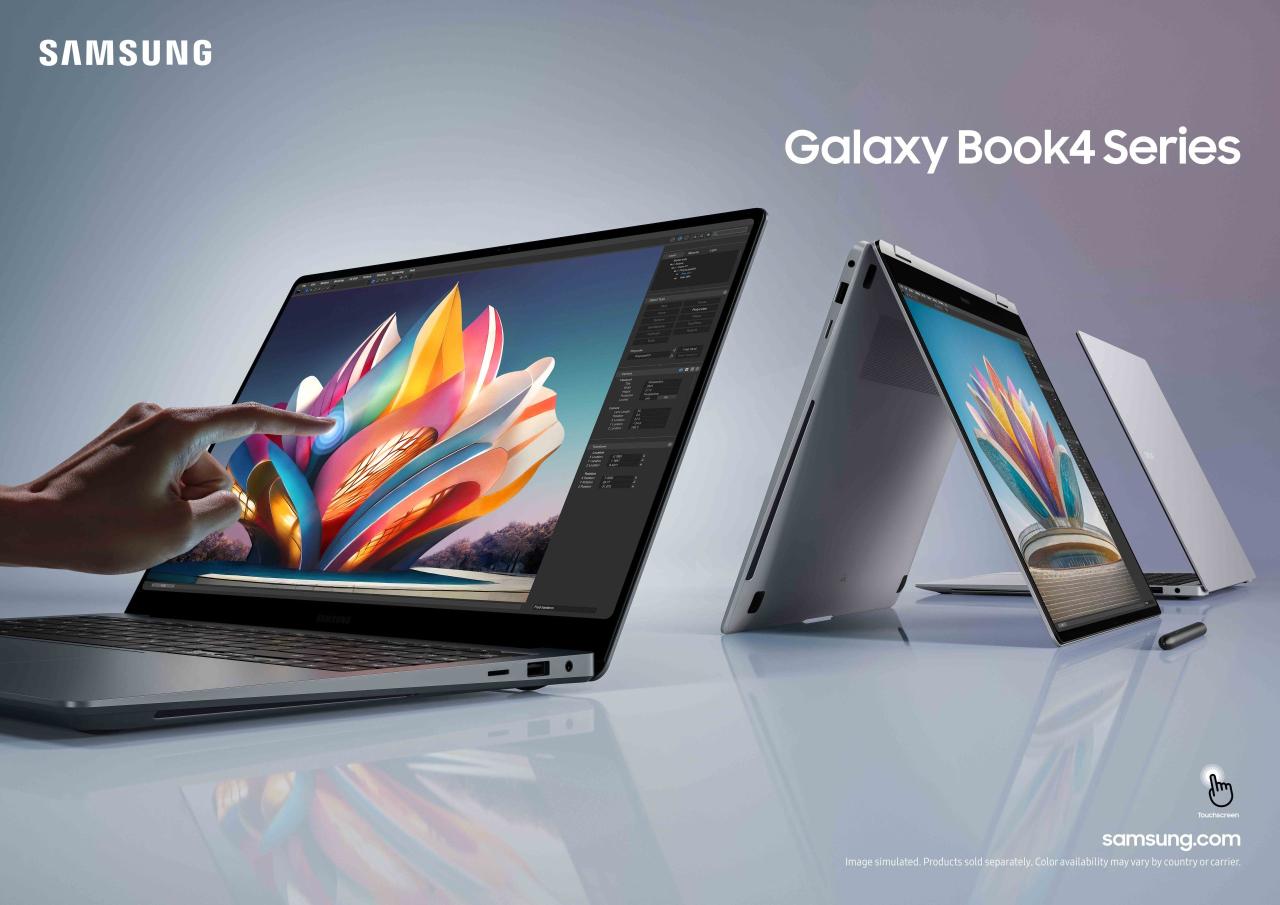
The Samsung Note7 was a flagship smartphone released in August 2016, renowned for its impressive features and cutting-edge technology. The device was part of the Galaxy Note series, which has been known for combining productivity with a premium experience. With a sleek design and powerful specifications, the Note7 aimed to set a new standard in the smartphone market.
The Samsung Note7 featured a stunning 5.7-inch Quad HD Super AMOLED display, providing vibrant colors and deep contrasts, ideal for media consumption and productivity tasks. Powered by a Snapdragon 820 or Exynos 8890 processor, depending on the region, the device offered robust performance for multitasking and gaming. With 4GB of RAM and storage options of 64GB, expandable via microSD, users had ample space for apps, photos, and videos. The camera system included a 12MP dual-pixel rear camera that delivered exceptional low-light photography and a 5MP front-facing camera, perfect for selfies and video calls. Additionally, the Note7 introduced an IP68 rating for water and dust resistance, a feature that appealed to users seeking durability.
Unique Selling Points of Samsung Note7
At launch, the Samsung Note7 distinguished itself from competitors through several unique selling points that resonated with consumers. The integration of the S Pen stylus allowed for enhanced productivity, offering features like screen off memo, live message, and translate, which catered to users who sought creativity and efficiency in their mobile experience.
The security features of the Note7 were also noteworthy, including biometric authentication with an iris scanner, setting a new benchmark for secure access. This innovation not only provided a futuristic feel but also enhanced the user experience by allowing quick and secure unlocking of the device.
Another significant feature was the inclusion of HDR (High Dynamic Range) support for videos and images, enabling users to experience richer colors and improved contrast in their visual content. The device also emphasized a premium design, boasting a curved glass front and back, which contributed to its sleek, modern aesthetic.
Market Reception and Reviews
The initial market reception of the Samsung Note7 was overwhelmingly positive, with many reviewers praising its design, display quality, and innovative features. The device received high scores from various tech review platforms, highlighting the smooth performance and camera capabilities.
However, the launch was marred by concerns regarding battery safety, as reports of devices overheating emerged shortly after the release. Despite this setback, initial sales figures were strong, with Samsung reporting over 1 million units sold in the first few weeks. The Note7 was lauded as a potential game-changer in the smartphone landscape until the company initiated a global recall of the device due to safety concerns.
“The Note7 demonstrated Samsung’s commitment to innovation, blending powerful hardware with unique features that appealed to tech-savvy consumers.”
Battery Issues and Safety Concerns

The Samsung Note7 is widely remembered not just for its innovative features but also for the serious battery issues that arose shortly after its launch. The device was initially celebrated for its powerful battery, but it quickly fell into controversy when reports of overheating and explosions emerged, leading to a significant backlash against Samsung.
The battery problems stemmed from a combination of design flaws and manufacturing errors. Samsung used lithium-ion batteries from two different suppliers. The first batch of batteries had a problematic design that caused the battery to short circuit, leading to overheating. When this issue came to light, Samsung attempted to rectify it by replacing the problematic batteries with a second batch from a different supplier. Unfortunately, the issues persisted, and several devices with the new batteries also exhibited dangerous behavior, prompting serious safety concerns.
Recall Process Initiated by Samsung
In response to the overwhelming reports of incidents, Samsung took immediate action by implementing a global recall of the Note7. This process was complex and involved several steps to ensure consumer safety and regain public trust.
Samsung’s recall was characterized by the following key actions:
- Announcement of Recall: Samsung publicly announced the recall on September 2, 2016, urging all Note7 users to power down their devices and return them for a refund or exchange.
- Collaboration with Regulatory Authorities: Samsung worked closely with various regulatory bodies, including the U.S. Consumer Product Safety Commission (CPSC), to coordinate the recall efforts and ensure compliance with safety regulations.
- Replacement and Refund Options: Consumers were provided with various options, including a full refund or a replacement device, which was marketed as safe after testing. Samsung also issued software updates to limit the battery charge capacity of the devices still in circulation.
- Communication Strategy: Samsung employed a robust communication strategy, utilizing multiple platforms to inform customers about the risks and the steps being taken to resolve the issue. This included advertisements, social media outreach, and direct communication to consumers.
The recall process ultimately involved the collection of nearly 3 million devices globally, a rare occurrence in the tech industry that highlighted the severe implications of battery safety.
Comparative Analysis with Other Tech Incidents
The Note7’s battery issues were not isolated; they echoed similar incidents within the tech industry. Comparing this situation to other notable cases provides a clearer context of industry-wide challenges regarding battery safety.
Some relevant instances include:
- Apple’s iPhone 6 Battery Issues: In 2016, reports surfaced regarding the iPhone 6 and 6 Plus devices unexpectedly shutting down due to battery defects, prompting Apple to issue a program for affected users.
- Dell and Sony Laptop Batteries: In 2006, Dell recalled approximately 4.1 million laptop batteries supplied by Sony due to risks of overheating and fires, a cautionary tale that resonates with the Note7’s issues.
- Hoverboard Battery Explosions: The rise of hoverboards in 2015 saw numerous reports of battery fires and explosions, leading to product recalls and safety warnings similar to those faced by Samsung.
These comparisons illustrate that while Samsung’s situation was particularly high-profile due to its scale and visibility, concerns regarding battery safety are a persistent issue across various technology sectors. The Note7 incident served as a wake-up call for manufacturers to prioritize safety in battery design and production processes, ultimately leading to stricter regulations and improved industry standards.
The Note7 crisis not only impacted Samsung’s reputation but also reshaped the landscape of consumer electronics safety protocols.
Impact on Samsung’s Brand and Market Position
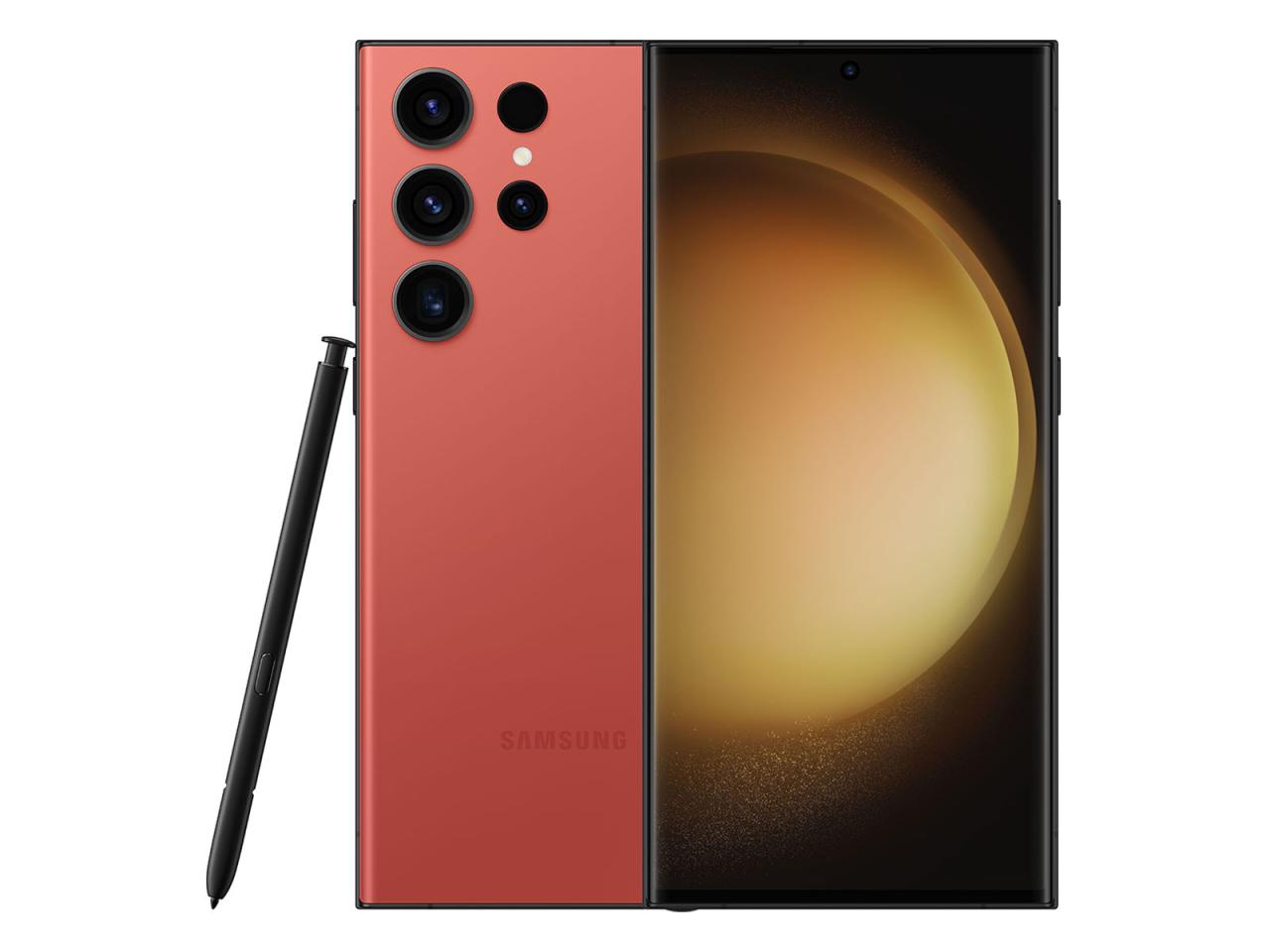
The Note7 incident served as a significant turning point for Samsung, altering its brand reputation within the competitive smartphone market. The crisis not only affected sales but also instigated a reevaluation of the company’s design and production processes. The fallout from this debacle would resonate throughout the company, prompting a strategic shift aimed at restoring consumer trust and market presence.
Effects on Brand Reputation, Samsung note7
The Note7 crisis had immediate repercussions on Samsung’s brand image, with safety-related concerns overshadowing the phone’s innovative features. Reports of devices catching fire led to widespread media coverage, resulting in a substantial decline in consumer confidence. Surveys conducted post-incident revealed a sharp drop in brand loyalty among existing Samsung users, with many considering alternatives from competitors like Apple and Google.
“The Samsung Note7 incident revealed vulnerabilities in their quality assurance processes, leading to a significant loss of consumer trust.”
Brand reputation was further impacted by the company’s handling of the crisis. Initial responses, including a partial recall and later a full stop to production, were perceived as reactive rather than proactive. The ensuing chaos and misinformation contributed to consumer fears, leading to a drop in Samsung’s stock prices and a loss of market share.
Long-term Implications on Product Development Strategy
In the wake of the Note7 crisis, Samsung reassessed its approach to product development and quality control. The company implemented a rigorous “8-Point Battery Safety Check,” which included enhanced battery durability testing and comprehensive inspections to prevent future incidents.
The following strategic shifts were observed:
- Increased focus on safety standards, integrating more robust testing protocols across all devices.
- Investment in research and development to innovate battery technology, aiming to regain consumer trust.
- Strategic collaboration with external safety organizations to establish third-party validation for product safety.
These measures signify a shift in Samsung’s priorities, ensuring that future products not only aim for innovation but also adhere to the highest safety standards.
Competitors’ Response to the Crisis
The turmoil caused by the Note7 incident provided a window of opportunity for Samsung’s competitors. Companies such as Apple, Google, and OnePlus capitalized on the situation by promoting their own smartphones as safer alternatives.
Marketing strategies included:
- Highlighting their products’ safety features in advertisements, emphasizing reliability and quality assurance.
- Offering promotions to attract disgruntled Samsung customers, often bundling accessories or providing trade-in offers.
- Enhancing customer engagement through targeted campaigns, showcasing the benefits of switching to their devices.
As a result, competitors not only gained market share but also reinforced their brand messaging around safety and reliability—a critical aspect that Samsung needed to reclaim in order to restore its market position.
Lessons Learned for Future Technology
The Samsung Galaxy Note7 incident serves as a pivotal moment in the tech industry, shedding light on critical aspects of product safety and quality assurance. The consequences of the battery failures not only impacted consumers but also had a profound effect on Samsung’s reputation and operations. Following this crisis, Samsung undertook a comprehensive reassessment of its processes and priorities, leading to significant advancements in technology safety and reliability.
Improvements in Subsequent Samsung Devices
In response to the Note7 battery issues, Samsung implemented several strategic changes to enhance product safety across its device lineup. Key improvements include:
- Enhanced Battery Safety Testing: Samsung established an extensive eight-point battery safety check, which includes rigorous assessments for electrical, thermal, and mechanical integrity. This thorough testing process aims to ensure that every battery meets safety standards before reaching consumers.
- Collaboration with Industry Experts: Samsung partnered with external organizations and experts to evaluate and improve its battery design and manufacturing processes. This collaboration helped bring additional perspectives and expertise into the development cycle.
- Redesigned Battery Structure: The battery architecture in subsequent devices has been redesigned to minimize the risk of overheating. This involves using safer materials and altering the composition of the battery cells to enhance performance and prevent failures.
- Improved Quality Control Measures: Samsung increased its quality control measures throughout the manufacturing process, ensuring that potential issues are identified and resolved before products are released to the market.
- User Education Initiatives: Samsung launched educational campaigns to inform users about safe charging practices and the importance of using genuine accessories to reduce risks associated with battery malfunctions.
Comparative Overview of Safety Regulations in the Tech Industry Post-Note7
The fallout from the Note7 incident prompted regulatory bodies and companies across the tech industry to reevaluate existing safety standards. This led to the establishment of more stringent safety regulations aimed at protecting consumers. Important regulatory shifts include:
- Stricter Compliance Guidelines: Regulatory agencies have introduced new compliance guidelines that require manufacturers to adhere to enhanced safety protocols during the design and testing phases of batteries.
- Mandatory Reporting of Safety Incidents: Companies are now obligated to report any safety incidents related to battery failures immediately, ensuring transparency and rapid response to potential hazards.
- Increased Focus on Sustainability: There is a growing emphasis on sustainable practices in battery production, promoting the use of eco-friendly materials and processes that minimize environmental impacts while ensuring safety.
- Global Standardization of Testing Procedures: Organizations like the International Electrotechnical Commission (IEC) and Underwriters Laboratories (UL) have worked toward standardizing battery testing procedures globally, ensuring consistent safety measures across all markets.
- Consumer Protection Laws Enhancements: Many countries have revised consumer protection laws to provide stronger safeguards against faulty electronics, requiring manufacturers to take greater responsibility for product safety.
“Samsung’s commitment to safety and quality has significantly changed the landscape of how tech companies approach product development, particularly in the realm of battery technology.”
Through these lessons learned and subsequent improvements, Samsung has not only reinforced its commitment to safety but has also influenced broader industry practices. The Note7 incident underscored the importance of vigilance in technology development and consumer safety, shaping the future of device manufacturing in profound ways.
Questions and Answers: Samsung Note7
What were the main features of the Samsung Note7?
The Samsung Note7 featured a 5.7-inch Quad HD display, S Pen functionality, a dual-edge curved design, and a powerful 12MP camera, alongside robust performance with an Exynos or Snapdragon processor.
Why did the Samsung Note7 face battery issues?
The battery issues stemmed from manufacturing defects that caused overheating, leading to spontaneous combustion in some devices.
How did Samsung respond to the Note7 crisis?
Samsung initiated a global recall, provided refunds and exchanges, and implemented stricter quality control measures to address the battery issues.
What impact did the Note7 incident have on Samsung’s brand?
The incident significantly damaged Samsung’s reputation, leading to a loss of consumer trust and prompting a reevaluation of their product safety protocols.
What lessons did Samsung learn from the Note7 incident?
Samsung learned the importance of rigorous testing, transparency in communication, and prioritizing consumer safety in all aspects of product development.
The GMT Master stands out as a classic timepiece, embodying the perfect blend of functionality and style. This iconic watch is not just about precision; it symbolizes the spirit of adventure, making it a favorite among travelers and collectors alike.
One of the most sought-after variations is the GMT Master 2 Pepsi , which features a vibrant bezel that captures the essence of its namesake. Known for its striking red and blue colors, this model has become a symbol of luxury and sophistication, appealing to watch enthusiasts around the world.